
9 Signs You're a Mean Wife, Even If You Don't Mean to Be
Small digs and cold silences can become painful habits. Here's how to notice them and make room for a kinder marriage.
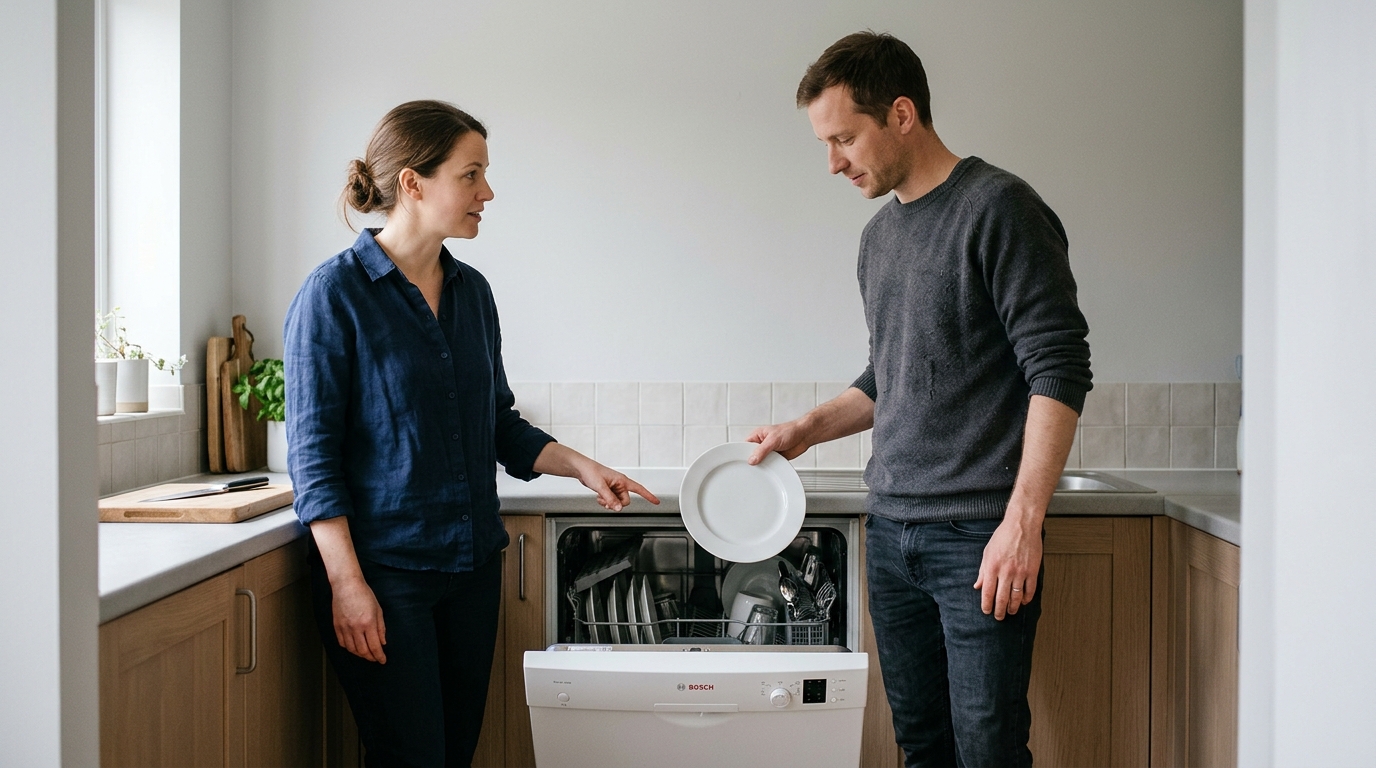
You ask your husband why he loaded the dishwasher that way. Then you correct how he folds a towel. By dinner, you've made a joke about his driving, too. Each comment may seem small on its own, but together they can leave him feeling as though he's always getting something wrong.
The phrase “mean wife” can sound like a verdict on who you are. Think of it instead as an invitation to look at how you treat someone close to you. You can still raise problems, ask for fairness and be honest about what hurts. The question is whether your way of doing that leaves room for respect, too.
1. You criticize him at every turn
There's a difference between saying, “Please don't leave the wet towels on the bed,” and treating everything your husband does as an opportunity for correction. Maybe you comment on the way he folds a clean towel, even though it's ready to put away. Then you point out a different route he should have driven.

For a day, notice which comments address an actual problem and which are about a preference. You might care deeply about a household task being shared without needing it done exactly your way.
You can also ask how your comments land, then listen without making him reassure you. If you've been picking at him, a straightforward apology is a start: “I've been correcting you over little things, and I'm sorry.” You don't have to suppress every complaint; try saving the feedback for what matters to you.
2. Your sarcasm has a sting
Some couples love teasing each other. The trouble starts when one person is laughing and the other is left wondering whether the joke was really an insult. If your husband shares good news and you answer, “I'm surprised they picked you,” the punchline comes at his expense.
Pay attention to when sarcasm shows up. Are you using it to express disappointment without admitting you're disappointed? If he keeps forgetting to make plans with you, try saying that directly instead of greeting his next invitation with a cutting remark.
If he tells you a joke hurt, resist explaining why he shouldn't feel that way. You could say, “I see why that stung. I won't joke about it again.” A joke doesn't need a bad intention to deserve an apology.
3. You use silence to punish him
Sometimes you need quiet after an argument. Taking a break is different from deliberately ignoring your husband to force an apology or make him guess what he's done. One communicates a need for space; the other makes conversation something he has to earn back.
If you're too upset to talk, give him a simple marker: “I'm angry and need an hour. Can we talk after dinner?” You don't need a perfect speech or a guaranteed resolution by bedtime. If you need longer than you expected, you can say so rather than leaving him to guess.
This isn't a rule that you must keep talking through every disagreement. If a conversation feels unsafe, you don't owe anyone an immediate discussion. Your safety and boundaries matter, too.
4. You undercut his decisions
Your husband tells the kids they need to finish homework before a film, and you immediately tell them to ignore him. If that happens often, he may feel dismissed, and the two of you can end up arguing through the children instead of talking to each other.
You don't have to agree with every rule he makes. If there's no urgent reason to step in, try discussing the disagreement privately: “I think that rule is too strict. Can we find another way?” You can hear his reasoning and explain yours before deciding what to say to the kids.
If a decision is unsafe or unfair, though, it's fine to intervene in the moment. Being a team doesn't mean staying silent when something needs your attention. It means neither of you has to win by making the other look foolish.
5. You compare him to other men
“Your brother always plans lovely weekends.” “My friend's husband earns more.” Comments like these may express a real wish, but they also turn another person into the measuring stick for your marriage. Your husband is left competing with someone who isn't even in the room.
Ask yourself what you actually want. Is it more time together, a fairer share of chores or a conversation about money? Name the need without making a comparison: “I'd love us to plan something together this month.”
That gives him something concrete to respond to. You can admire what another couple does and even borrow an idea without presenting their relationship as a report card for your own. You may not know what their ordinary Tuesdays look like, anyway.
6. You use affection or intimacy as leverage
No one owes their partner sex, a kiss or a cuddle. You can say no for any reason, and you don't have to be affectionate when you don't want to be. A lack of desire is not the same thing as being mean.
What deserves a closer look is deliberately using affection as a bargaining chip or taking it away to punish him. If you're hurt, try naming the hurt instead: “I'm still upset about yesterday, and I need us to talk before I feel close again.” That's honest about where you are without promising intimacy you don't want.
A partner shouldn't pressure you into affection, either. Your “no” deserves respect, regardless of whether you've had an argument or how long it's been since you last felt close.
7. You bring up old mistakes to win arguments
A disagreement about the grocery bill somehow ends with you listing everything your husband has done wrong since the wedding. If an old mistake comes up mainly to embarrass him or shut him down, the current problem can disappear under the weight of the past.
That doesn't mean you have to pretend a serious hurt is resolved just because he apologized. Some things need more than one conversation. Try separating the issues: “I'm still hurt about what happened last year, and I'd like us to talk about it.” Then return to the grocery bill, if you both can.
A lingering concern deserves attention of its own, not a surprise appearance as ammunition. If you notice you've reached for it in anger, you can pause and say, “That's a separate issue. Let's come back to it.”
8. You joke about his insecurities
He tells you he's self-conscious about his hair, and later you make a joke about it. You might mean to be playful, but using something he shared in confidence as material for a laugh can feel exposing.

If you know a subject is tender for him, leave it out of the jokes. You can ask what feels supportive rather than assuming he wants a pep talk. Sometimes a simple “I shouldn't have said that” is more useful than insisting he looks fine or telling him to lighten up.
And if you slip again, own it without asking him to comfort you for feeling guilty. He gets to have feelings about the joke, too. An apology can be brief; what matters next is respecting the boundary he gives you.
9. You rarely show appreciation
It's easy to notice the bin that hasn't been emptied and overlook the school pickup your husband handled or the dinner he made. If his efforts routinely pass without acknowledgment while his mistakes get a spotlight, he may wonder whether you see what he contributes.
Appreciation doesn't mean praising him for every ordinary adult responsibility, especially if the work at home is uneven. You can ask for a fairer arrangement and still notice genuine care. Be specific when you thank him: “I appreciated you handling bedtime when I was exhausted.”
If words don't come easily, a quick text counts. Tonight, think of one thing you genuinely noticed and tell him, without adding a “but” at the end.
This article is general guidance and not professional, legal or financial advice.